Making marine litter action visible, measurable and scalable
An international framework that brings governments, local authorities, civil society, research institutions, business and financial institutions together around marine litter as climate action.
Documented with objectives, indicative costs, outcomes, climate relevance and conditions for replication
8 Registered commitments
Voluntary promises with a target date and the indicators progress will be reported against
25 Contributing organisations
Governments, local authorities, civil society, research institutions, business and financial institutions
14 Countries
Where the documented work takes place, from source reduction to coastal ecosystem restoration
Marine litter action is climate action
The Marine Litter Action Platform connects knowledge, commitments, financing and monitoring in one shared cycle of action. Existing initiatives produce valuable methods and partnerships, but knowledge, funding opportunities, monitoring systems and progress information remain scattered across separate platforms. That fragmentation slows the transfer of good practices and limits their wider adoption.
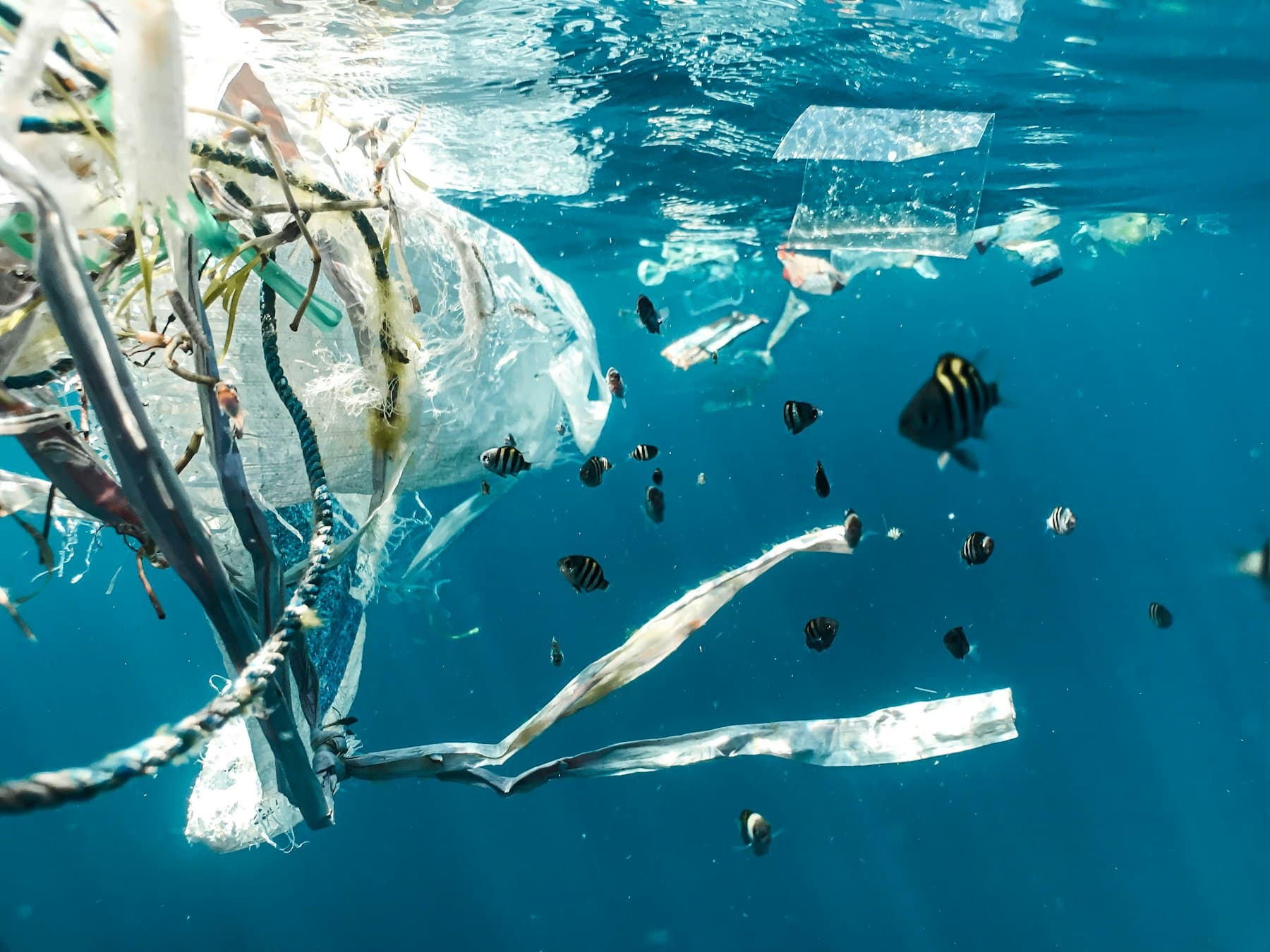
Plastics generate greenhouse gas emissions across their life cycle, while extreme weather, flooding and sea-level rise push more waste into the sea. Marine litter also weakens seagrass meadows, coastal wetlands and other blue carbon ecosystems that store carbon and protect coastlines. Preventing marine litter and restoring these ecosystems reinforce each other as climate action.
Knowledge and Good Practices Hub
Verified good practices, methodologies and policy instruments in one searchable, comparable format.
Financing and Climate Action Interface
Projects needing support are connected with public resources, climate funds and development partners.
Inventory and Monitoring Dashboard
A map-based inventory of what runs where, by country, region, stakeholder group and intervention type.
Good practices
Documented solutions, from source reduction and Zero Waste Blue applications to ghost gear management and coastal ecosystem restoration, in one standard format.
Document a practice in the standard format, and register what your organisation has promised to do together with the indicators it will be measured by. Both are published after review.
Litter caught in fishing nets is landed in dedicated harbour bags instead of being thrown back; monthly tonnage per vessel is logged, making fishers part of the clean-up.
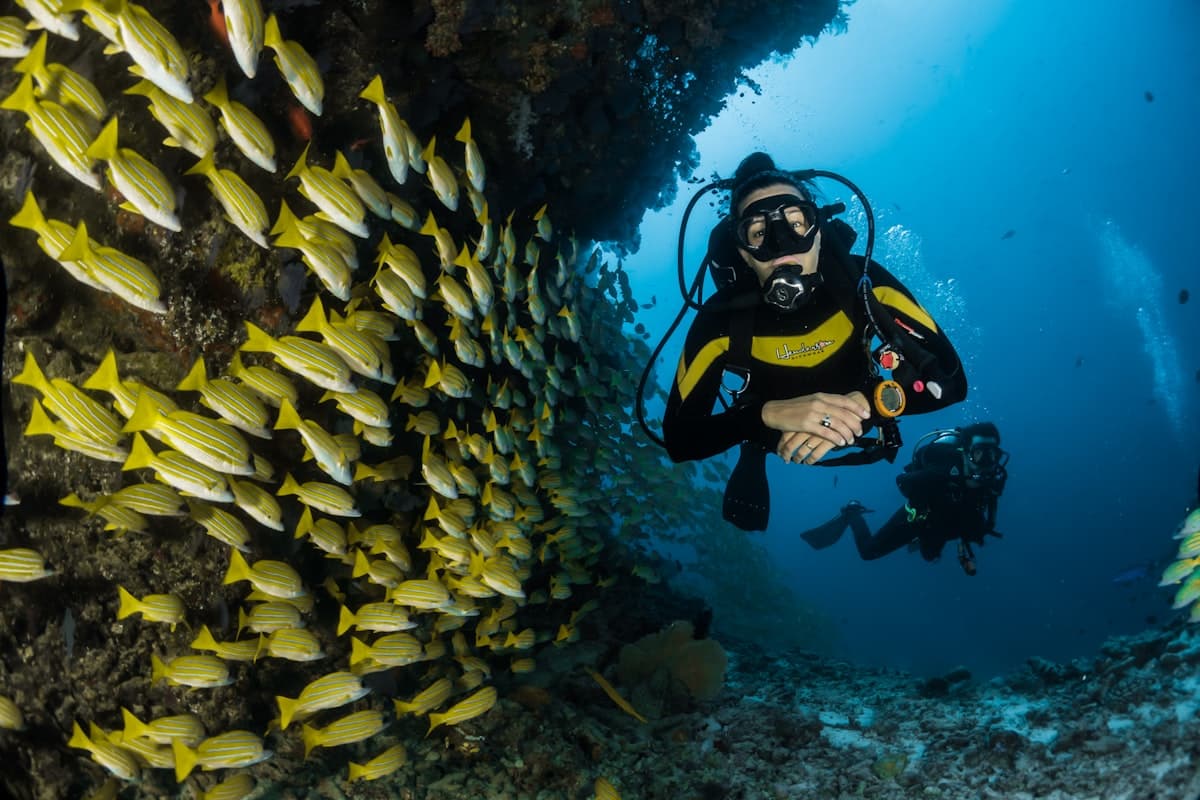
Abandoned fishing nets recovered from the seabed by volunteer dive teams are re-woven into beach volleyball nets and donated to coastal facilities and schools.
Pocket ashtrays handed out through beach operators, collection points at beach entrances and a season-long information campaign cut cigarette butt litter in the sand at source.
8 commitments are on record: what organisations have promised to do about marine litter, by when, and the indicators each promise will be reported against.
The dashboard shows where action is taking place, identifies geographic and thematic gaps and tracks progress over time. Filter by country, region, stakeholder group and intervention type.
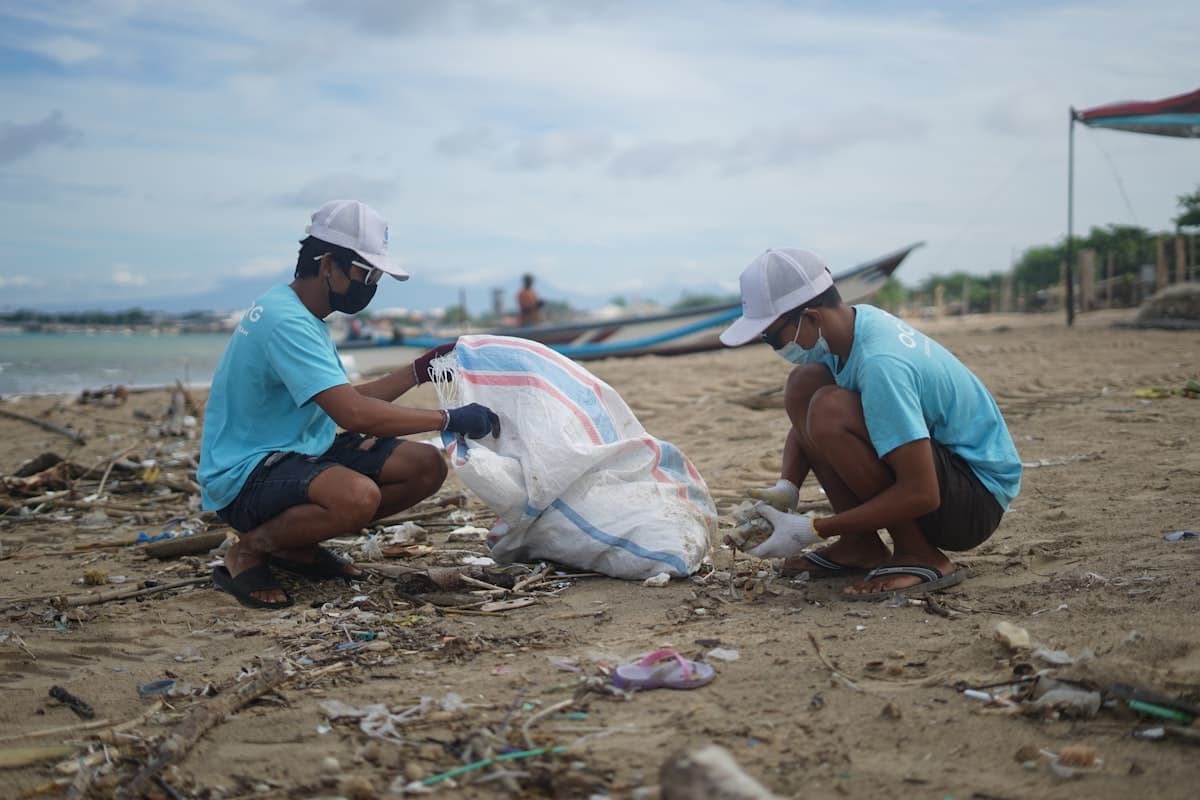

 Civil society