 Academia
Back to good practices
Civil societyOngoingCoastal clean-upMonitoring and research
Fishing for Litter programme
A Fishing Cooperative · Netherlands · 2023–
Summary
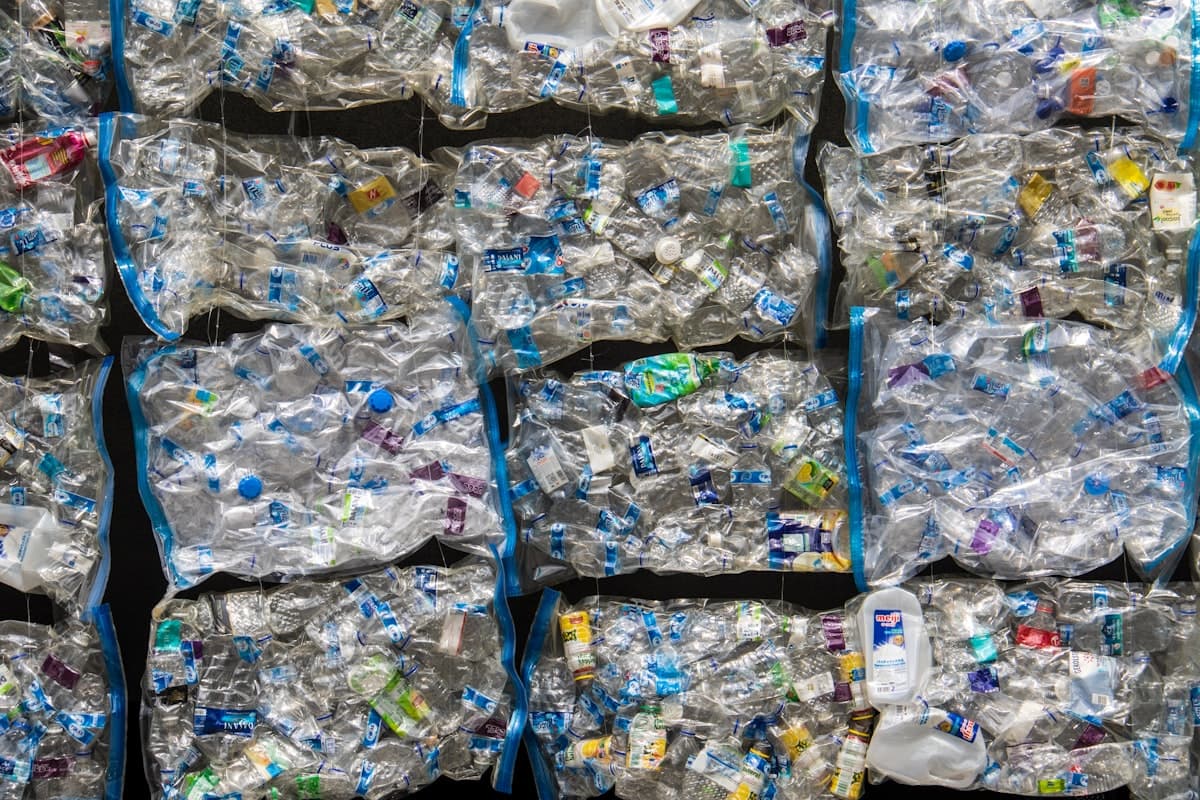
Litter caught in fishing nets is landed in dedicated harbour bags instead of being thrown back; monthly tonnage per vessel is logged, making fishers part of the clean-up.
Goal
Take litter caught during fishing out of the sea and put it on record.
Target group
Cooperative member vessels and harbour operators.
How it was done
- 01BagsEvery vessel received durable collection bags and a short briefing.
- 02Harbour pointA separate reception point with a weighing station was set up in each harbour.
- 03TrackingMonthly tonnage per vessel is recorded and the top collectors are announced.
Results achieved
- Most of the cooperative's vessels joined the programme in the first year.
- Litter composition is now reported by season and shared with the regional authority.
Measurable outputs
64participating vessels
5.1 tonneslitter landed in the first season
Climate relevance
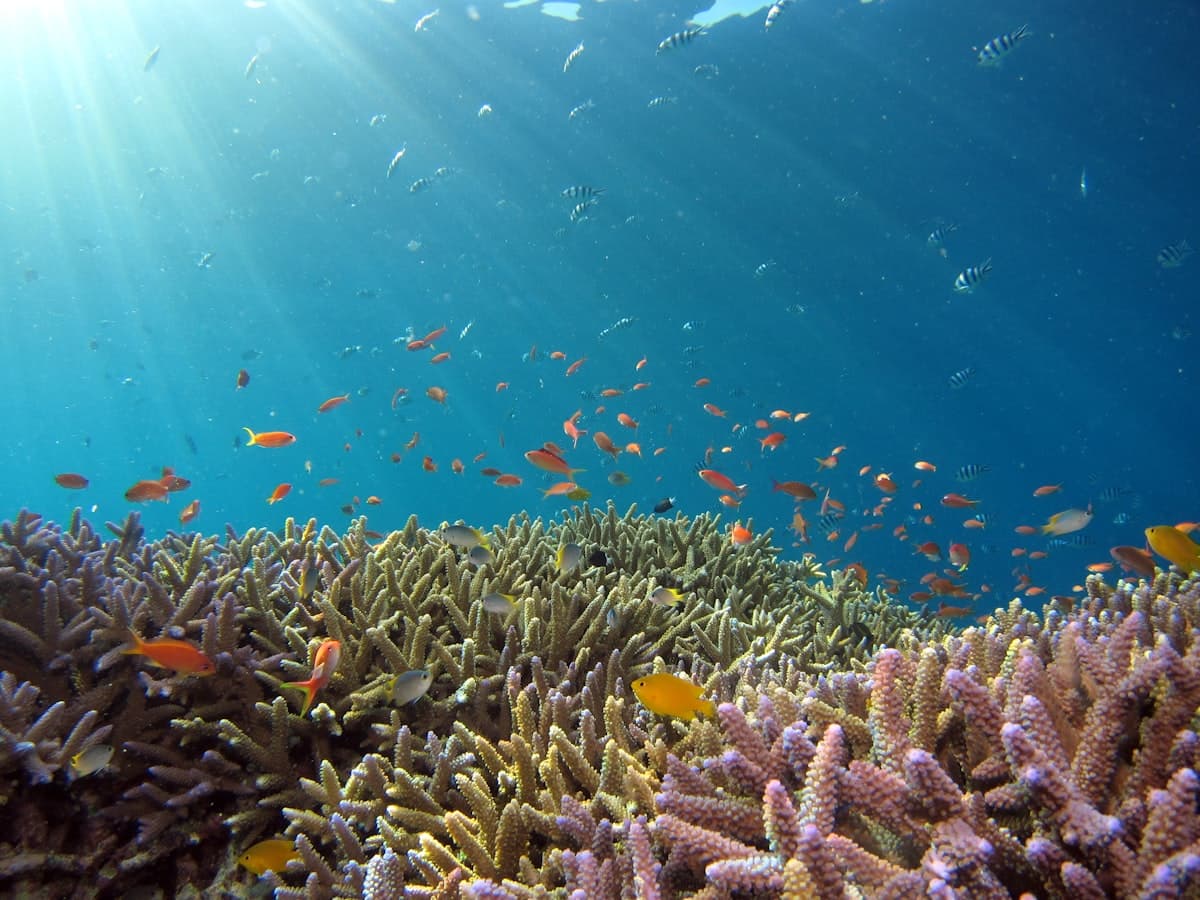
Litter landed by fishing vessels is taken out of the water column and off the seabed instead of continuing to fragment, protecting benthic habitats that support both fisheries and coastal carbon storage. The tonnage record gives the regional authority evidence for source-reduction measures upstream.
Conditions for replication
Requires a harbour that accepts and weighs landed litter at no cost to the vessel, a cooperative that can brief its members, and an agreed disposal route. Where disposal is charged to the crew, participation falls away.
Images