 Local government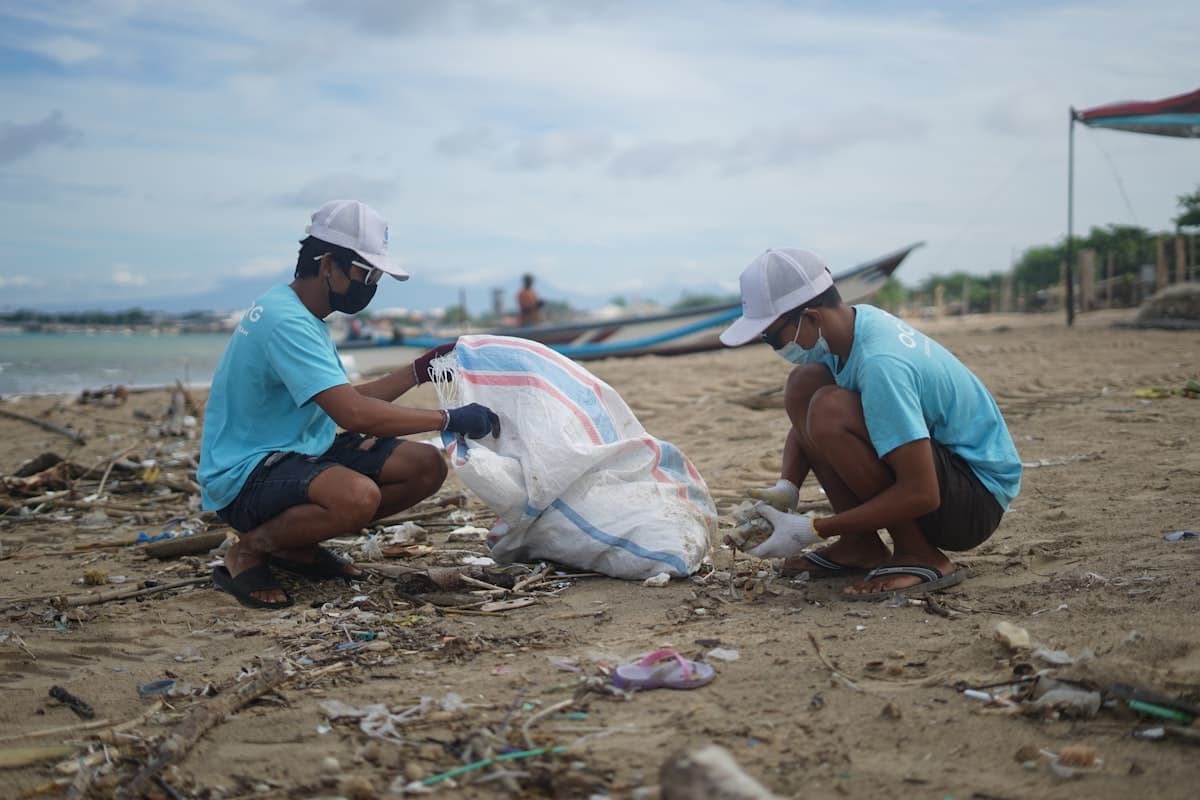
Back to good practices
Local governmentOngoingCoastal clean-upAwareness
Coastal clean-up volunteer network
A Metropolitan Municipality · Brazil · 2023–
Summary
Neighbourhood volunteer teams, a monthly clean-up calendar and reporting by litter type turned coastal clean-ups from one-off events into a regular, measurable programme.
Goal
Turn coastal clean-up into a continuous programme rather than a one-off event.
Target group
Neighbourhood volunteers, schools and beachfront businesses.
How it was done
- 01NetworkA volunteer coordinator was appointed in every coastal neighbourhood.
- 02CalendarMonthly clean-up days and responsible teams are published in advance.
- 03ReportingCollected litter is counted by type and results are shared on the city dashboard.
Results achieved
- A regular clean-up programme now runs in 24 neighbourhoods.
- Litter-type data feeds the city's source-reduction decisions.
- The number of volunteers tripled in two years.
Measurable outputs
24neighbourhoods
1,900active volunteers
38 tonneslitter collected
Climate relevance
Regular removal keeps litter off the mangrove and beach margins that buffer the shoreline against storm surge and erosion. Counting the litter by type shows the city which products to address at source, where the larger emission savings sit.
Conditions for replication
Needs a named coordinator in every neighbourhood, a published calendar so participation is predictable, and a municipal waste service that collects what the teams gather. Reporting by litter type only works when every team uses the same count sheet.
Images
Related practices
Local government Public body
A County Education Office · Kenya
Marine litter awareness programme in schools
CompletedEntry tierView
 Civil society